Evidence of Toybox
Vendor-neutral enterprise network and security architecture with evidence-based verification.
Demonstrated Understanding of Quantum Computer Hardware Principles
Learn more about the software
For “On Phase Interference,” please refer to the link below.
Core Message
The primary purpose of this page is to demonstrate a practical, hardware-level understanding of quantum computer principles.
This is not a theoretical document.
It is evidence derived from a working bench environment where analog electronics, phase behavior, and interference-based reasoning converge.
Quantum computation at the hardware level is governed by physical variables:
- phase
- current
- magnetic flux
- interference
- temperature
- noise
- non-separation of input and output
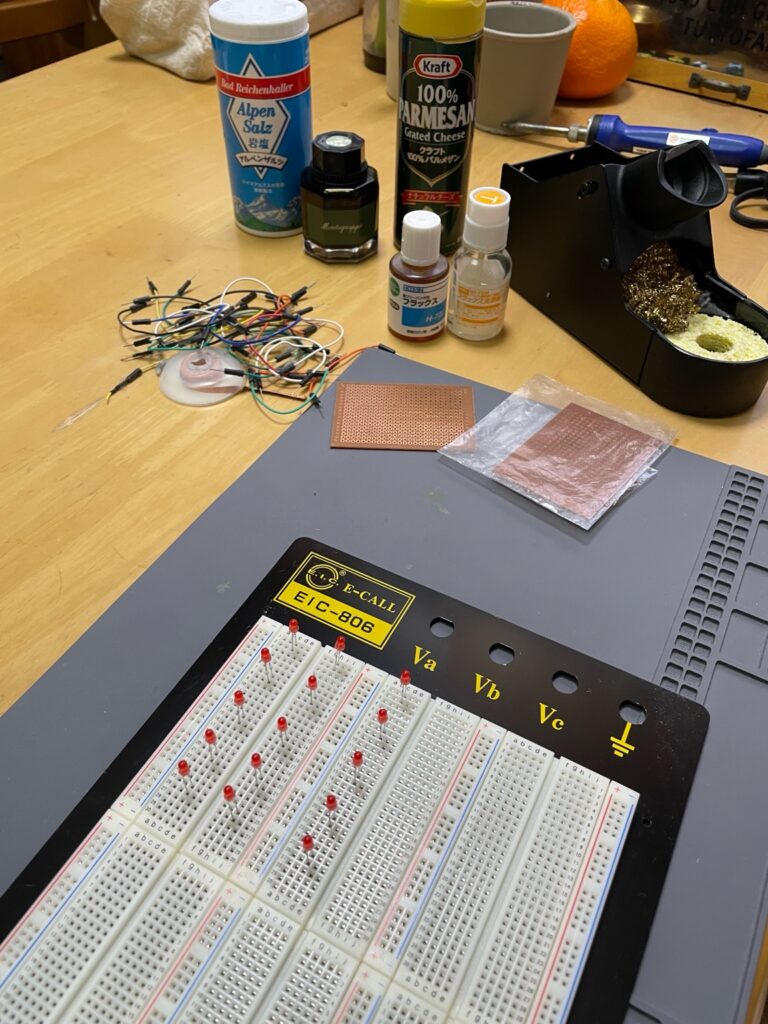
The Toybox bench serves as an observation platform where these relationships are reconstructed in physical form.
Wiring Disclosure Policy
All wiring shown in this environment is intentionally undisclosed.
The visible configuration represents only the observation layer.
Signal paths, coupling structures, and phase routing are not publicly documented.
This is a deliberate decision to preserve the integrity of the experimental framework while still presenting evidence of hardware-level understanding.
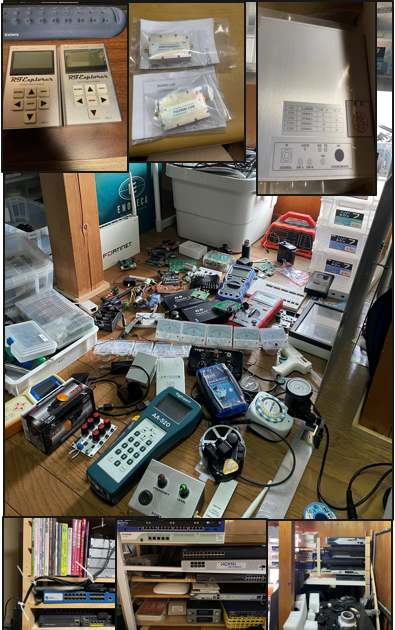
Enlarged view / Magnified view
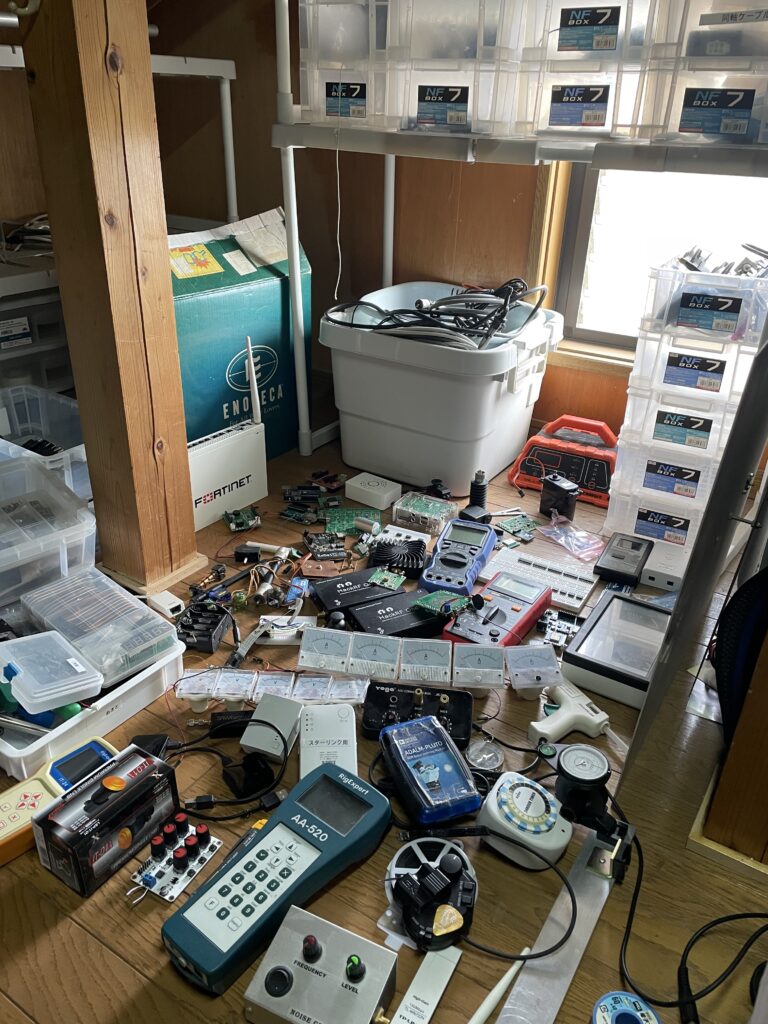
Items I forgot to include / Omitted items(Wiring that can hardly be called professional.)
Analog Synthesis of Phase Modulation and Superconducting Coils
Phase as a Physical Variable
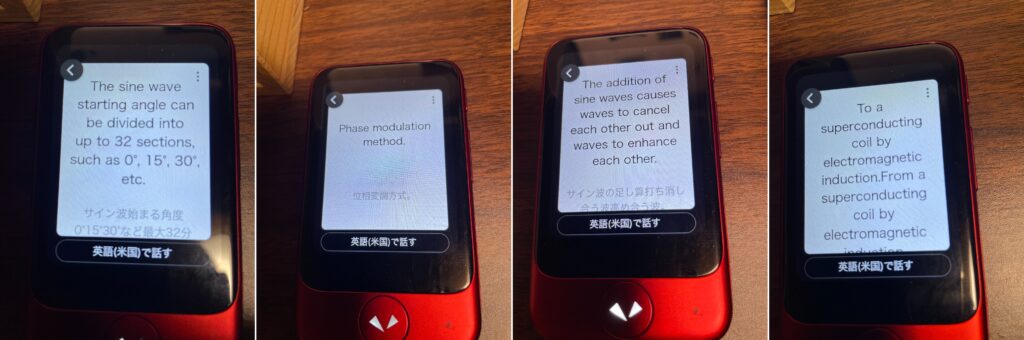
Phase modulation is a core element in understanding superconducting quantum hardware.
In such systems, the following coexist and evolve simultaneously:
- phase
- current
- magnetic flux
- interference
Computation is treated as a continuous electromagnetic interaction space rather than a sequence of discrete logic gates.
Coil as Memory, Operation, and Medium
Within superconducting architectures, a coil can simultaneously act as:
- a storage element
- an operational element
- an interference medium
This leads to a non-separable structure where:
Input = Operation = Output
The Toybox arrangement reflects this understanding through a simplified observation environment.
All wiring is undisclosed.
Only the physical observation surface is presented.
Interference as Computation
Computation Occurs in the Field
In classical systems:
Input → Operation → Output
In quantum hardware:
Input = Operation = Output
Computation occurs within the interference field itself.
Under a superconducting-coil model:
- phase is introduced
- interference evolves
- observation extracts state
The system behaves as a unified computational space rather than a chain of operations.
Bench Representation
The Toybox environment expresses this structure through:
- distributed observation nodes (LEDs)
- spatial wiring paths
- assumed interference regions
The visible structure demonstrates correct hardware intuition.
The invisible structure remains private.
All wiring is undisclosed.
Hardware-First Understanding
Before Software
Most discussions of quantum computing begin with algorithms.
This page begins with hardware.
Understanding requires awareness that:
- measurement alters the system
- coherence is physical
- phase relationships dominate behavior
- temperature and noise define operational limits
These constraints are considered at the bench level.
Evidence Through Physical Arrangement
The image presented here is not decorative.
It is evidence that:
- interference-centric reasoning is present
- coil-based computation is understood
- phase relationships are treated as primary
- hardware reality precedes abstraction
This is not a finished quantum processor.
It is a working environment built by someone who understands how such hardware operates.
Toybox as an Observation Platform
Practical Hardware Intuition
Large-scale quantum systems require specialized facilities.
However, the underlying hardware principles can be understood through:
- analog phase systems
- coil-based reasoning
- interference modeling
- bench-level reconstruction
The Toybox serves as a compact observation platform where these ideas are physically organized and examined.
The Advantages of Compromise: Fewer Screw Types as a Design Philosophy
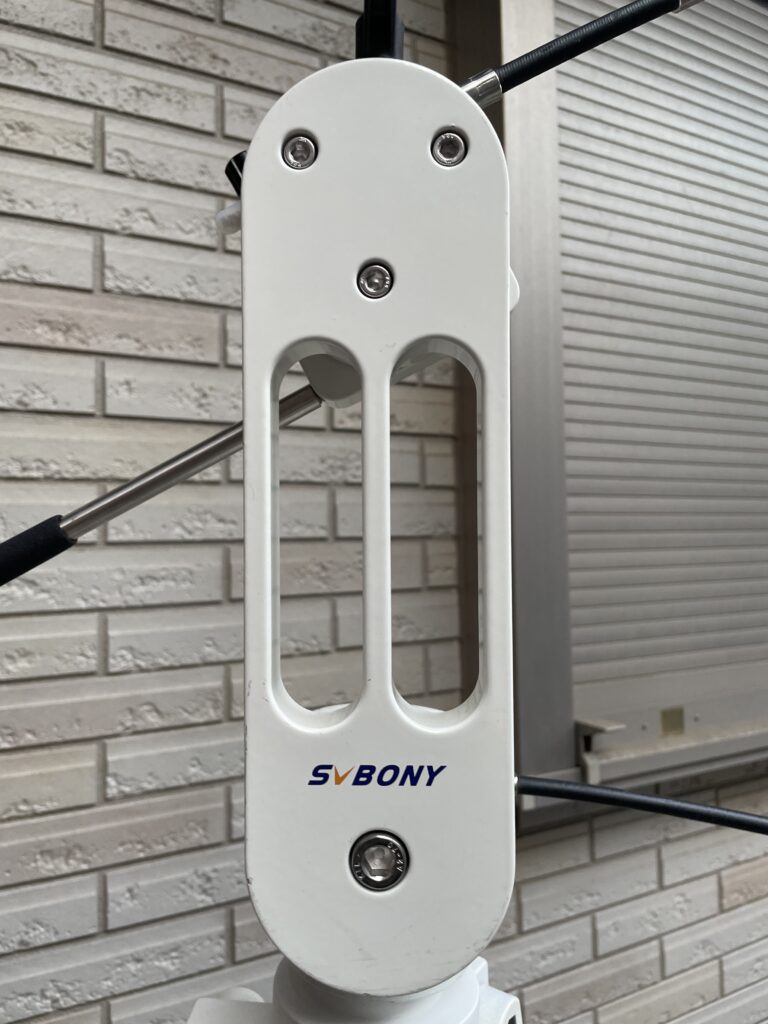
Start with a photo of an SVBONY device.
One immediate observation is the small number of screw types used.
This is not about aesthetics.
It is about maintainability.
Reducing the number of screw types brings clear advantages:
- Fewer tools required on site
- Faster maintenance and replacement
- Lower risk of losing critical parts
- Simpler inventory management
- Higher probability that anyone can repair it
Visual perfection may be sacrificed,
but operational continuity improves.
This is compromise used as a deliberate engineering strategy.
A Thought Experiment on Standardization
News frequently shows images of destroyed military hardware.
Yet the overall frontline situation often appears unchanged.
This leads to an interesting thought experiment.
Imagine if the latest stealth aircraft and an 80-year-old armored vehicle
shared the same screw standards.
This is not a claim.
It is a design imagination exercise.
Common fasteners across generations would mean:
- Simplified logistics
- Unified toolchains
- Faster field repair
- Reduced training complexity
In other words:
Sustainable operation can outweigh peak performance.
Reducing the number of screw types is not merely simplification.
It is a philosophy of continuity.
Antenna Tower Cabling: Safety Over Appearance
Next comes a photo of the antenna tower cabling.
The goal was to improve:
- Physical strength
- Structural safety
- Serviceability
A perfectly clean visual layout was the original target.
However, the evening sun reflecting off the Starlink router
looked too good to ignore.
So a compromise was made.
The current state was photographed and published as-is.
Waiting for perfection can delay progress.
Publishing the present state allows iteration.
This is another form of productive compromise.
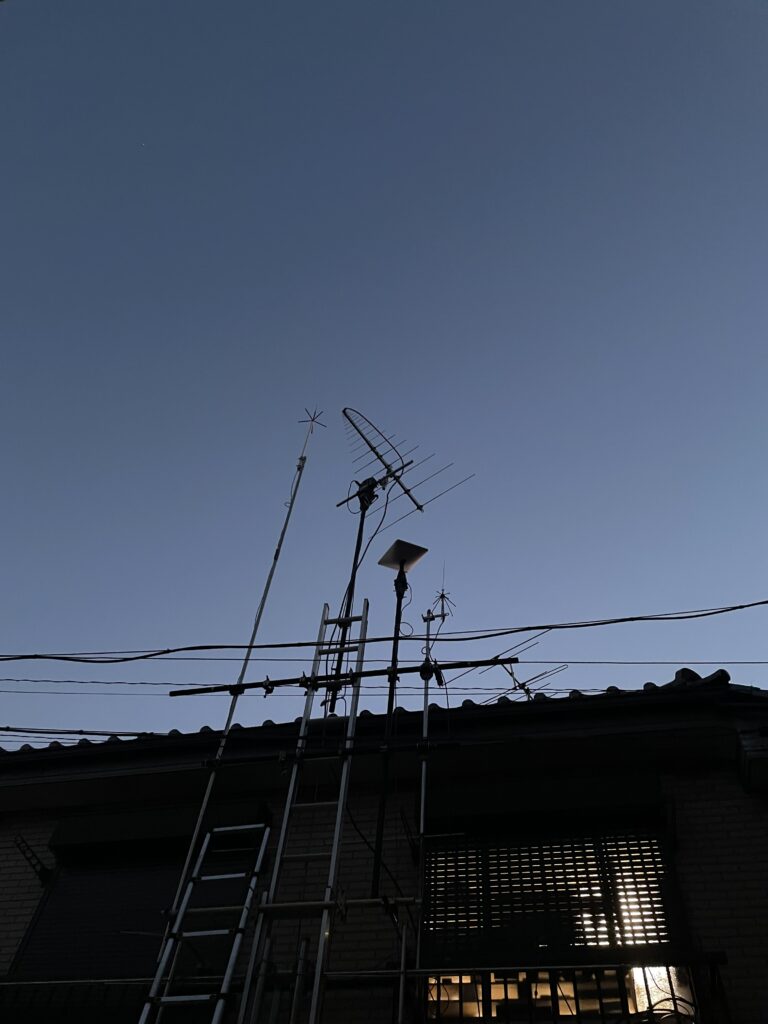
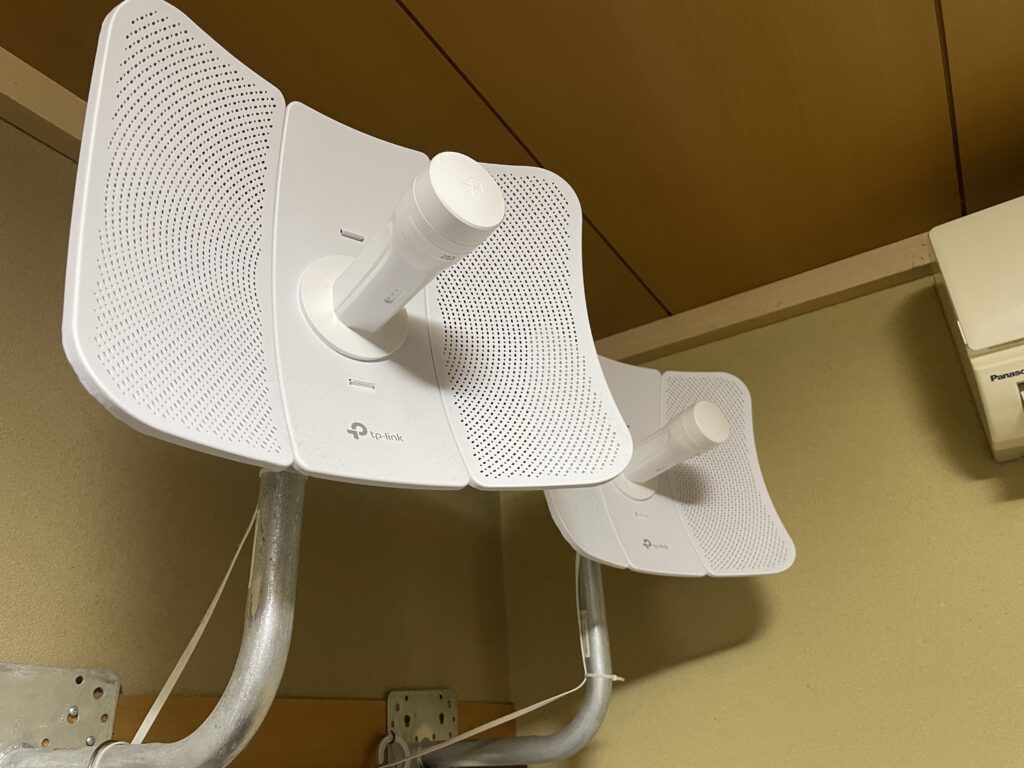
The log-periodic antenna is used for astronomical observations with a spectrum analyzer.
The broadband antenna on the far left is used to record Jupiter’s decametric emissions on the spectrum analyzer display.
Next Objective: Quantum Computing via Starlink
A friend introduced a service that allows
about ten minutes of free quantum computer usage per month.
The system appears to be located in New York.
The next experiment will focus on:
- Latency over Starlink
- Session stability
- UI responsiveness
- Impact of satellite routing
The goal is not deep research.
The goal is observation.
What happens when satellite internet meets remote quantum hardware?
That alone is worth testing.
Compromise Is Not Failure
Fewer screw types.
Publishing imperfect cabling.
Testing within free-tier limits.
All of these share a common principle:
Continuity over perfection.
Compromise, in engineering and operations,
is not surrender.
It is design.
My Day Off
I played the keyboard for the first time in over 25 years.
Were 88 keys always this cramped? (Maybe it just doesn’t actually have all 88. Still, when you’re a dual-income household raising kids, the kitchen situation is… well, you know.)
To keep from taking the lead myself, I played along with a drum-machine preset and ended up performing the longest single piece of my life. Maybe around 30 minutes.
With a canned coffee in one hand, though.
Figuring I’d hog the rhythm if I tried to hear my own sound, I muted the keyboard and played anyway. Since it turned out to be “something I could do if I tried,” I realized I don’t need to do it again.
Music might as well be improvisation only.
And yet, I can’t shake the feeling that even a sheet of paper with my kids’ timetable counts as personal information. I almost want to erase even the parts reflected in the toy piano.
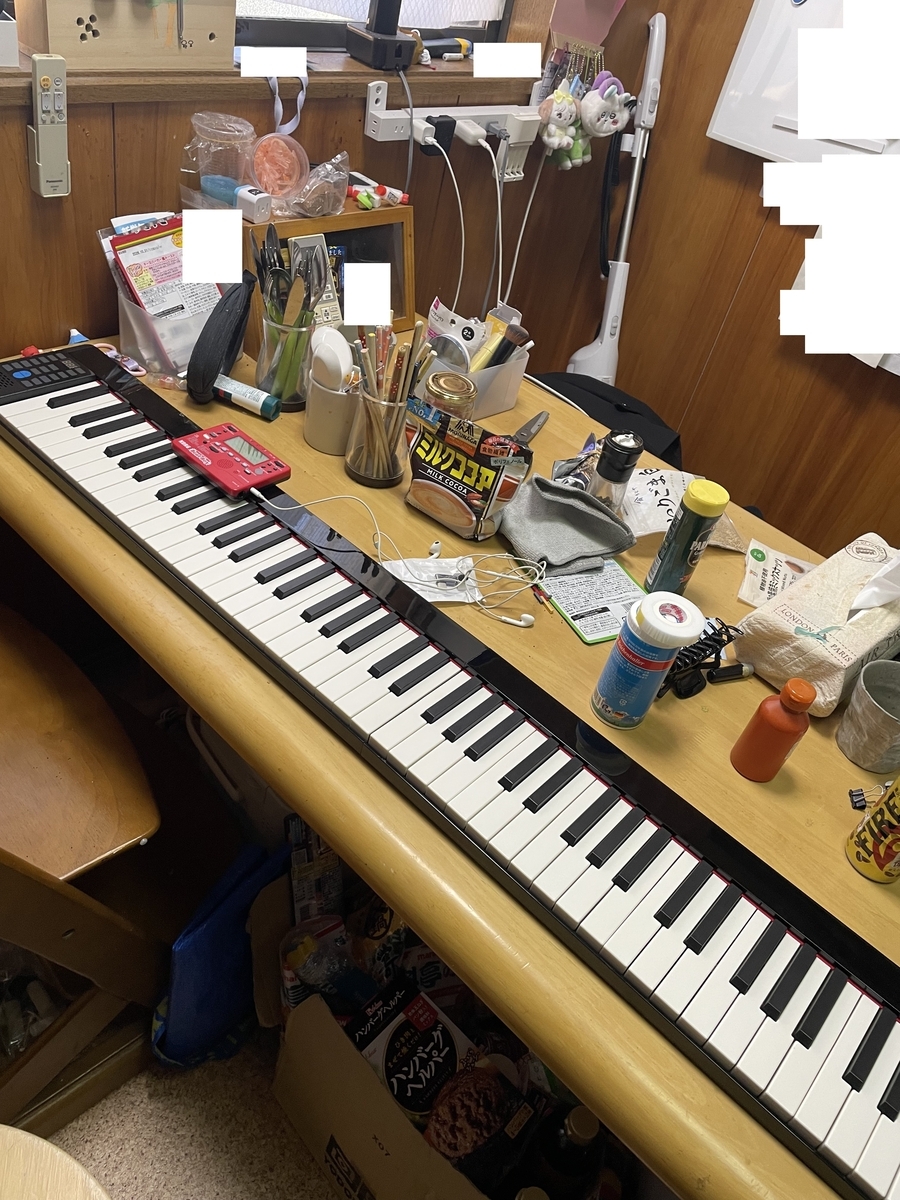
I played using only both thumbs.
That’s when I realized: with only two notes, there’s no majority vote.
It’s the third note that lets you emphasize, soften, or decorate things—and somehow that’s what makes it unpleasant.
But strangely, after I stop playing and some time passes, a melody comes out of my mouth.
Then I put words on that melody—something like, “Even if the blue sky disappears, it’s okay, because the stars are still there.”
And those spontaneously spoken words trigger a modulation—like when repeating “It’s okay” in succession creates a new melody.
I noticed this a little while ago in the past, on guitar, when I used a technique that relied on just a single string.
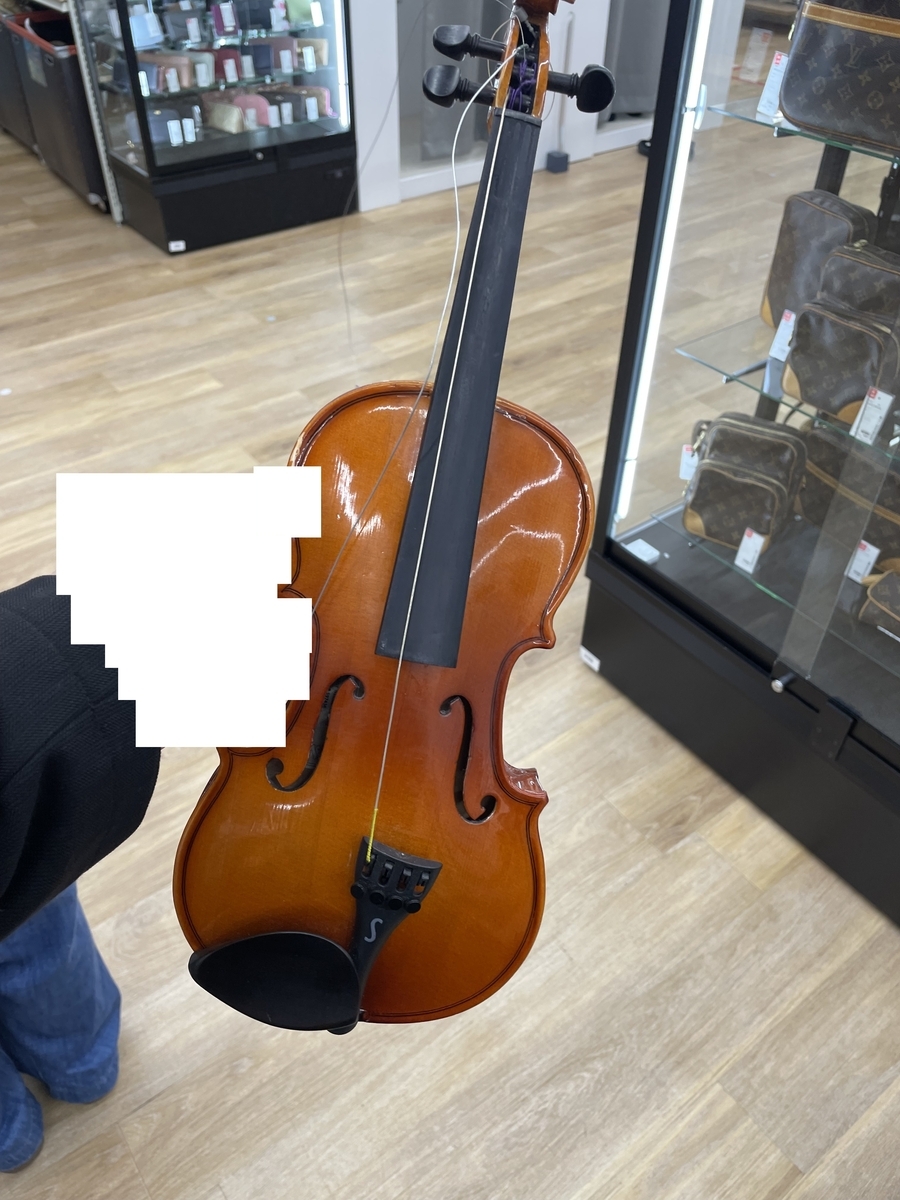
Oh, right. I bought a violin for kids.
People say I’m reckless.
About me—the one who carefully erases fingerprints before uploading photos.
Even so, I can’t stop worrying about things like vein authentication and that whole area.
1,300 yen. At a shop like Hard Off.
I’m going to attach a bunch of motors to it and pick up where “that time” left off.
I’ll also briefly touch on something I’ve already written about on my personal blog.
On guitar, it’s surprisingly fun to fret all the strings at the same position and play famous classical pieces that way.
I’ll refrain from mentioning here that the opening of Schubert’s Erlkönig sounds a lot like Bay Area heavy-metal crunch.
Even Then, Screws Alone Remain SQC
SQC as Discipline
In this context, SQC is treated as a discipline applied to fasteners.
It is the deliberate restriction of screw types, sizes, and drive standards in order to maintain serviceability, tool compatibility, and repeatable assembly over time.
The objective is not aesthetic consistency but operational stability.
A constrained fastener set reduces tooling variance, minimizes assembly errors, and improves field maintenance.
When the allowable range of screw types is fixed early in design, downstream processes become predictable and repairable.
The SVBONY tripod examined here uses a narrow Torx range (T5–T20).
This range is sufficient for structural and accessory interfaces without introducing redundant drive types or unnecessary size expansion.
The selection demonstrates controlled variation rather than maximal flexibility.
Fastener inconsistency is often attributed to manufacturing origin.
In practice, inconsistency is a function of system discipline rather than geography.
Without constraints, any supply chain accumulates thread variance, head-type proliferation, and tool incompatibility.
With constraints, even mid-tier components remain maintainable because the surrounding system assumes a fixed toolset and repeatable interfaces.
SQC in fasteners therefore operates as a long-term constraint mechanism.
It prevents uncontrolled variation and preserves mechanical interoperability across product revisions and maintenance cycles.
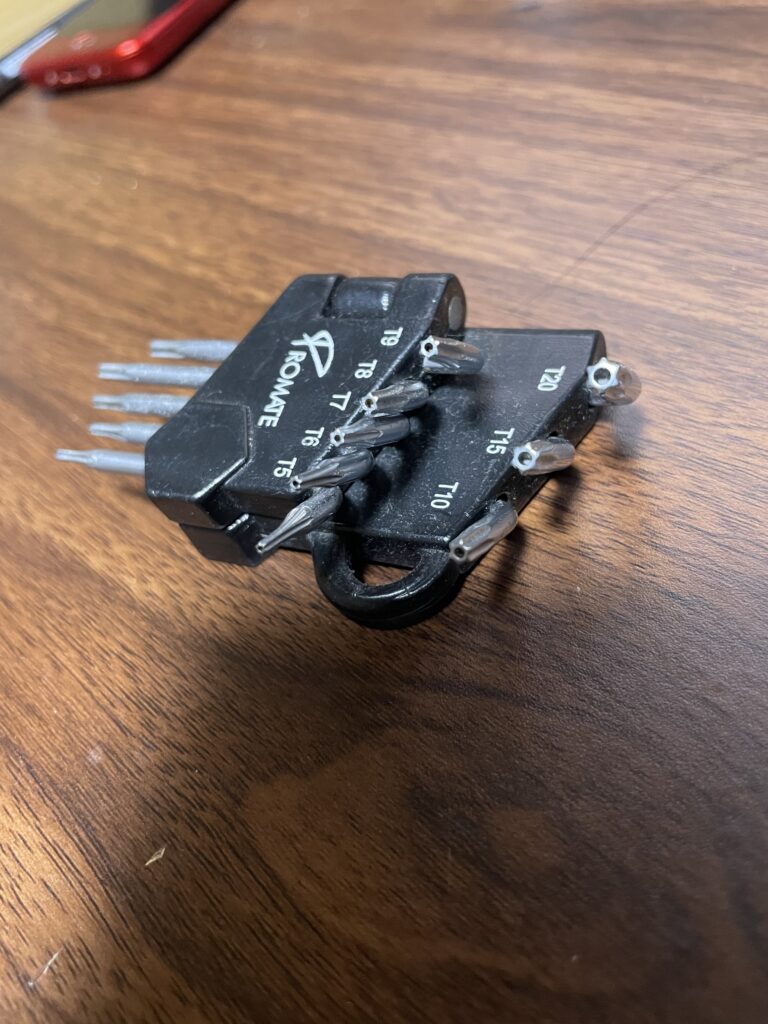
Absence of Competing Drive Standards in Retail Supply
In many hardware and construction supply stores used by Japanese contractors, Torx fasteners and drivers are rarely stocked.
This is notable not as a matter of preference, but as a supply-chain observation.
Where multiple drive standards compete in the same retail channel, tooling and fastener ecosystems tend to converge toward the most serviceable and damage-resistant interface.
Where such competition does not occur, legacy drive types remain dominant and alternative standards do not enter routine procurement.
The absence of Torx in these retail environments indicates a lack of active competition at the tool-and-fastener interface level.
Without competing standards present in the same procurement channel, convergence pressure does not form, and the installed base remains unchanged.
Drive Standard Selection and Procurement Inertia
In flat-pack furniture systems intended for user assembly, the absence of Torx fasteners is expected.
These systems prioritize low tooling requirements, minimal user friction, and compatibility with common household drivers.
However, in retail channels supplying professional construction contractors, the complete absence of Torx fasteners and drivers presents a different condition.
In environments where multiple drive standards coexist in procurement channels, competition between interfaces typically drives convergence toward those offering higher torque transfer stability and reduced cam-out.
Where such alternatives never enter the supply chain, legacy standards persist without direct technical comparison.
This condition reflects procurement inertia rather than a deliberate engineering choice.
When competing fastener interfaces are not present in the same distribution network, evaluation pressure does not occur, and installed practices remain unchanged.
However, it is likely that this is simply a limitation of my own familiarity with these stores.
Such supply shops tend to open early. I will visit one first thing tomorrow morning to confirm.
And, as usual, I will probably end up making another unnecessary purchase just to justify the parking fee.
All evidence on this page was built by the engineer described below.
About the Engineer Behind This Evidence
本ページに掲載されている検証環境、ログ、Windowsツール、スクリーンショットは、すべて同一エンジニアによる設計・実装です。 ネットワークおよびセキュリティ領域において、実機検証・証拠重視・ベンダーニュートラル設計を専門としています。
All systems, logs, and tools shown on this page were designed and implemented by the same engineer. Specializing in vendor-neutral network and security architecture with an evidence-first approach.
設計書ではなく、動作する証拠を優先します。 実機検証・ログ取得・自作ツール開発を一体として扱うスタイルです。
Founder / Architect
Global IT
Observation
Operational assumptions matter.
あるデータセンターにおいて、非常用発電機の軽油の交換周期について確認した際、 燃料の劣化と実際の運用条件の前提を質問したところ、 その場で回答が止まる場面がありました。
特別な指摘ではなく、 単に「設計書上の前提が、実際の保管条件と運用期間に対して成立しているか」を確認しただけです。
本ページに掲載している検証環境は、 このような運用前提の確認を重視する姿勢から構築されています。
仕様や資料よりも、 実際に成立する条件を優先します。
During a discussion about emergency generator fuel replacement in a data center, a simple question regarding diesel degradation and storage conditions resulted in an unexpected pause.
これは批判を意図したものではありません。文書化された仮定が実際の運用条件と一致しているかどうかを検証しただけです。
During a discussion about emergency generator fuel replacement in a data center, a simple question regarding diesel degradation and storage conditions resulted in an unexpected pause.
It was not intended as criticism. Only a verification of whether documented assumptions matched actual operating conditions.
職務経歴(公開版)
概要
ネットワークおよびセキュリティ分野において約30年の業務経験。 設計・検証・構築・運用・トラブル対応を横断的に担当してきました。
特に以下を重視しています:
- 実機検証に基づく設計
- ベンダーロックイン回避
- 現場作業量削減
- 証拠(ログ・CLI・動作)の可視化
- 経営層が直接確認できる環境
専門領域
- L2/L3ネットワーク設計
- ファイアウォール設計
- 無線LAN設計
- データセンター構築
- 検証環境構築
- Windows監視ツール自作
特徴
炎上案件の改善・鎮火、 既存設計の見直し、 検証環境の構築を得意としています。
単なる資料作成ではなく、 実際に動作する環境・証拠の提示を優先します。
現在の取り組み
- Windowsセキュリティツール開発
- CIO向け監視ツール
- 証拠公開型Web
- 遠隔検証環境
Full Career Record (Unedited)
クリックで展開
保有資格:第二級アマチュア無線技士
業務経験:約30年
【直近】
技術検証環境再構築・自社開発・情報発信基盤整備
Windows向けセキュリティアプリ開発
CIO向け監視ツール開発
公共系ネットワーク更改
炎上案件改善
金融系ネットワーク更改
炎上案件鎮火
コンビニDCイレギュラー対応
約4000本作業
コールセンター設計・構築
1000台規模
インターネットTV検証環境
マルチキャスト
金融機関ネットワーク
設計・構築・運用
自治体WiFi設計
イベントWiFi設計
外資セキュリティ企業
設計・構築
仮想FW・LB設計
クラウド
工場ネットワーク
プリセールス
マネジメント
英語調整
商社ネットワーク
300台構築
金融検証環境設計
Windowsアプリ開発志向
WAF/IPS自社開発検討
現在Windowsアプリを選択
開発中UIあり
設計非公開
Technical Inquiry
If this article relates to your network architecture, security design, or infrastructure modernization, feel free to contact us.
Email:
contact@g-i-t.jp
Related Architecture Solutions
Typical network architecture solutions designed and implemented by GIT. These patterns are derived from real enterprise environments and long-term operational experience.
“`
コメントを残す